What are the "Further Main Modifications"?
On Monday 14th September 2026 Sheffield City Council opened a new six-week consultation on the Sheffield Plan. It closes at 5pm on Monday 26th October 2026.
This page explains what the consultation is, how we got here, and what happens next.
There is nothing you need to do yet. We are working through the documents and will publish a guide on how to respond well before the deadline.
The short version
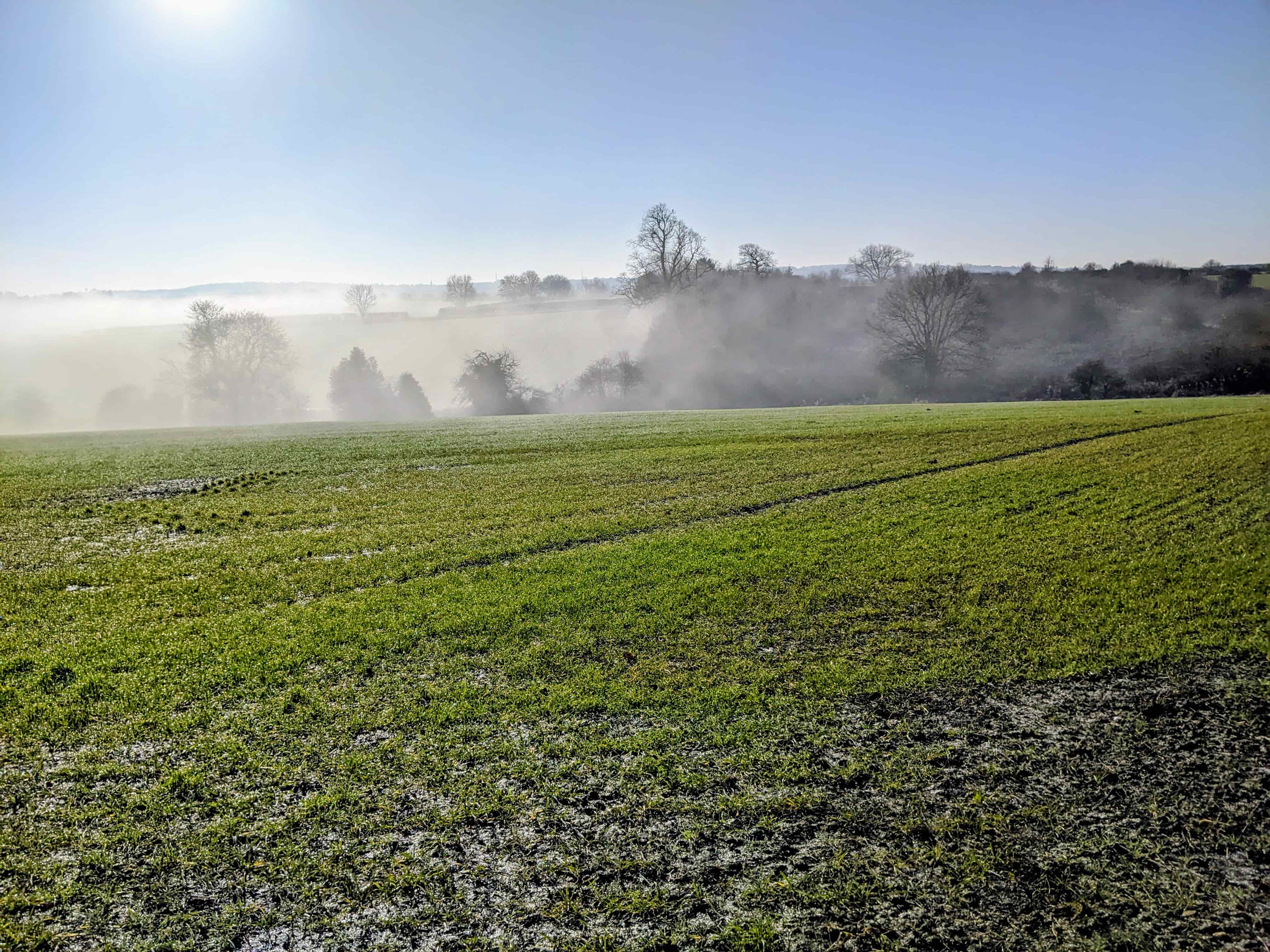
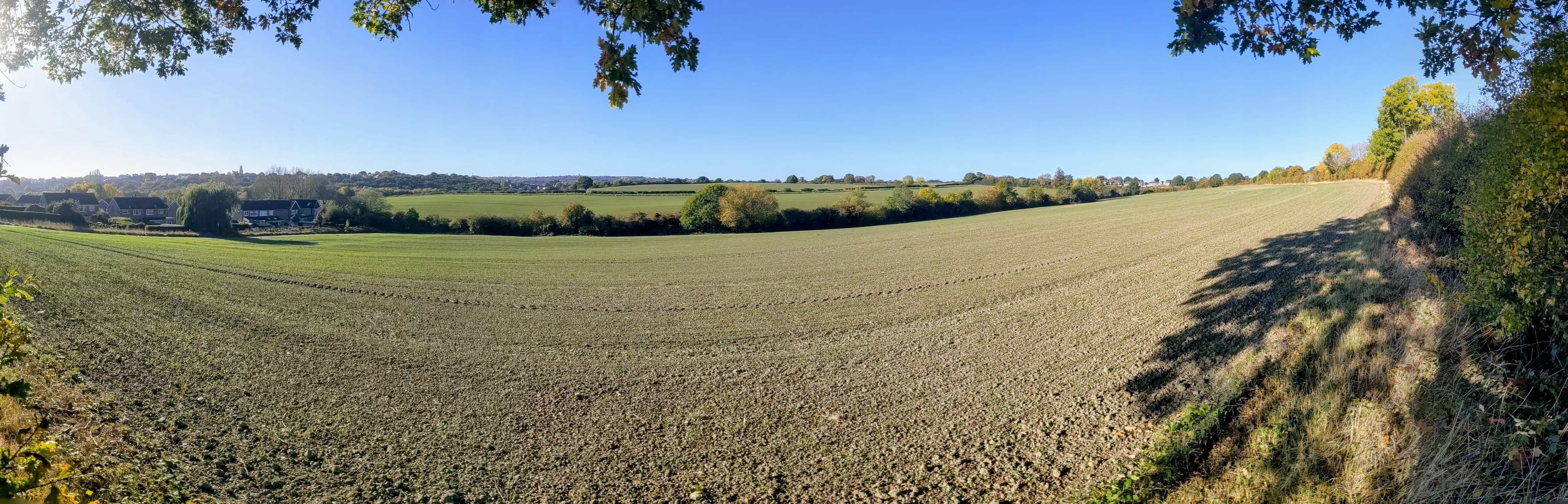
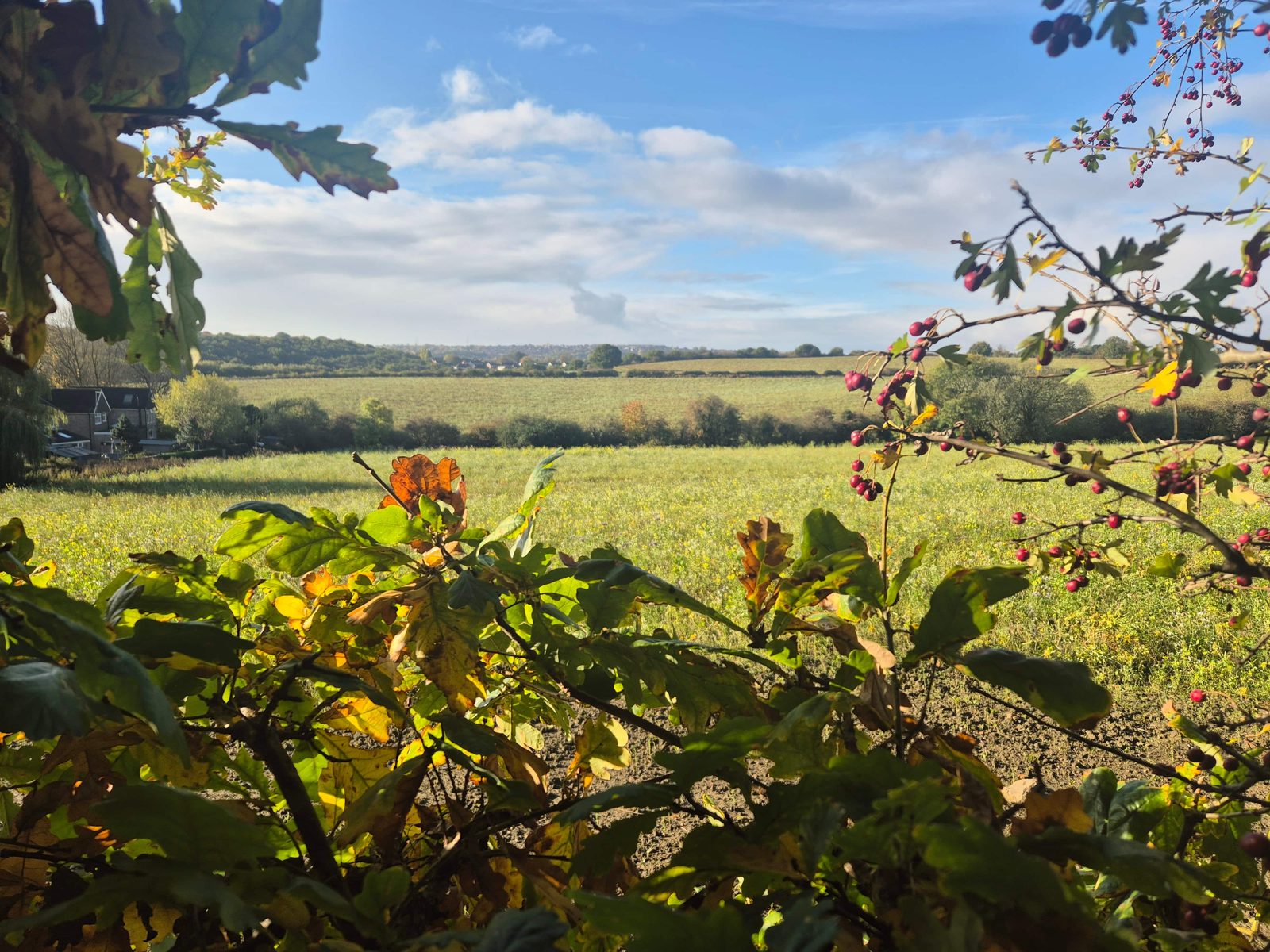
The Sheffield Plan is the Council's new Local Plan: the document that decides where homes, workplaces and roads can be built across the city up to 2039. It includes the proposal to take two S13 sites out of the Green Belt: SES29, Handsworth Hall Farm, and SES30, the fields between Bramley Lane and Beaver Hill Road.
Before a Local Plan can be adopted, independent Planning Inspectors appointed by the Government examine it and decide whether it is "sound". Three Inspectors have been examining the Sheffield Plan since October 2023.
In January 2026 the Inspectors told the Council the Plan could be found sound if a long list of changes were made. Those changes were the Main Modifications, 479 of them, and the public was consulted on them in the spring.
Having read the spring responses, the Inspectors asked for one more, shorter, round of changes. These are the Further Main Modifications: 33 of them. The public now has six weeks to comment. After that, the Inspectors write their final report and the Council votes on whether to adopt the Plan.
Explainer
- The Sheffield Plan - Sheffield's new Local Plan, the rulebook for development up to 2039. It was sent to the Government in October 2023 and will replace plans dating from 1998 and 2009.
- Examination - The independent check every Local Plan must pass before it can be adopted. Inspectors from the Planning Inspectorate test the Plan through public hearings, written questions and evidence.
- Sound - The test the Plan has to meet. The Inspectors ask four questions: has it been positively prepared, is it justified by evidence, will it be effective, and is it consistent with national planning policy?
- Main Modification - A change the Inspectors say is needed to make the Plan sound. Main Modifications must be consulted on before the Plan can be adopted.
- Further Main Modification (FMM) - The same thing, second round. They are numbered FMM1 to FMM33 in the Council's Schedule. Some alter the spring's Main Modifications; others are new.
- Policies Map - The map that goes with the Plan, showing where each policy and each site applies. Four changes to it are part of this consultation.
- Representation - The formal word for a comment sent in during a consultation. Every representation is passed to the Inspectors, who must consider it.
- Allocation - A site the Plan earmarks for a particular use. SES29 and SES30 are Green Belt sites allocated for housing; SES29 also includes land for employment.
How we got here
The examination has been running for almost three years. This is where the new consultation sits in the story.
Dates from the Council's Schedule of Proposed Further Main Modifications (September 2026) and its consultation FAQ. The last two steps depend on when the Inspectors finish.
Why another round of changes?
The Council gives three reasons.
- The Inspectors had further questions. After reading the responses to the spring consultation they wrote to the Council in June and July 2026. The exchange of letters between the Inspectors and the Council is published as examination documents EXAM 217, 217A, 217B and 217C.
- The law changed. Sixteen of the 33 modifications come from new legislation: fourteen deal with the abolition of "supplementary planning documents", and two adjust the Build to Rent policy because of the Renters' Rights Act.
- There is new evidence. Eight new evidence documents have been published alongside the consultation, answering questions the Inspectors asked. They cover farmland quality, affordable housing, the Housing Delivery Test, a road scheme, six possible sites in the built-up area, and three individual allocated sites - including both of ours.
The others include wording changes to the policies on green infrastructure, biodiversity and flood risk; small boundary changes to two sites elsewhere in the city; changes to the conditions attached to five allocated sites (none in S13); removal of the safeguarded route for the Innovation Corridor road; timetables for updating the evidence behind the logistics and Gypsy and Traveller policies; and a change to the number of affordable homes the Plan expects to deliver.
What does this mean for S13?
Neither SES29 nor SES30 is the subject of a Further Main Modification: the wording of their allocations is not being changed. But the consultation pack touches our sites in four places.
- The SES29 boundary is being published again. The Council says the site "was incorrectly mapped" on the Policies Map during the spring consultation. Map change 4 shows the corrected boundary. Anyone who commented on SES29 in the spring was looking at the wrong map.
- Farmland quality has been re-graded. Updated national data lets the Council separate grade 3a farmland, which counts as "best and most versatile", from grade 3b for the first time. On the Council's own figures (EXAM 219, paragraph 2.6), SES29 moves from "poorer quality" to "higher quality", and SES30 from "neutral" to "higher quality".
- Two new documents about our sites. EXAM 221 is a letter to the Council from Savills, on behalf of Norfolk Estates, showing an alternative access for SES29: a new four-arm roundabout off Orgreave Lane. EXAM 222 is the Council's answer to the Inspectors' questions about SES30 and the Quaker burial and preaching grounds at Cinder Hill. Both were produced because the Inspectors asked.
- The affordable housing total changes. FMM33 lowers the Plan's target from 5,531 to 5,479 affordable homes. The Council's reason is that the capacities of four sites have changed, and SES30 is one of them.
What can people comment on?
This is a narrow consultation. The Council's guidance is that comments should be about whether the 33 Further Main Modifications, the four map changes and the two updated technical documents are sound and legally compliant.
It is not a re-run of earlier consultations. The Council asks people not to repeat comments made on earlier versions of the Plan, not to comment on parts of the Plan that are not being changed, and not to ask for new changes unrelated to the modifications.
That sounds restrictive, and it is. But the new evidence documents are part of the pack. In the case of the SES29 access evidence, the Inspectors asked the Council to publish it and to allow consultation on it (EXAM 217C, paragraph 10). What the Council's own new evidence says about SES29 and SES30 is fair ground.
Comments go to the Council but are passed in full to the Inspectors, who must consider every one. Comments are published with the name of the person who made them.
What happens next?
After 26th October the Council sends every representation to the Inspectors. The Inspectors decide whether any further changes or hearings are needed, then write their final report saying whether the Plan is sound and setting out the changes they require.
The Plan then goes to a vote of the Full Council. Councillors can adopt the Plan with the Inspectors' changes, or decline to adopt it. They cannot pick and choose between sites. The Council says it expects that vote around the end of 2026 or in early 2027, depending on when the Inspectors' report arrives.
What we are doing
We have six weeks and a lot to read: 33 modifications, four map changes, an 80-page sustainability appraisal note, a habitats assessment, and eight new evidence documents.
We are consulting professional planning advisers, and we are taking legal advice from a well-known environmental law firm.
We will publish a page on how to respond, with the modification numbers to quote and the points that matter most for S13, well before the deadline.
Professional advice costs money. We will be asking for donations to pay for it - stay tuned. If you would like to help now, our donation page explains how.
Where to find the documents
The consultation documents, FAQ and comment form are on the Council's Have Your Say page. The six consultation documents are:
- Schedule of Proposed Further Main Modifications - the 33 changes, with the Council's reason for each
- Consequential Changes to the Policies Map - the four map changes, including the corrected SES29 boundary
- Integrated Impact Assessment: Sustainability Appraisal note - the updated assessment of the Plan's environmental, social and economic effects
- Habitats Regulations Assessment - Appropriate Assessment Review (2026) - the assessment of effects on protected wildlife sites
- Statement of Representations Procedure - the formal notice of how and when to comment
- Frequently Asked Questions - the Council's own FAQ
The new evidence documents and the Inspectors' letters are on the examination website, listed by their EXAM numbers. The eight new evidence documents are:
- EXAM 130C - Promoted urban sites: topic paper addendum
- EXAM 187A - Affordable housing supply update
- EXAM 216 - Innovation Corridor road: outcome of the Government's funding review
- EXAM 218 - Housing Delivery Test results for 2024 and 2025
- EXAM 219 - Site selection addendum: updated agricultural land classification data
- EXAM 220 - Former land use at site SES13
- EXAM 221 - Alternative access option for SES29
- EXAM 222 - SES30 and the Quaker burial and preaching grounds
Don't be overwhelmed. Nobody needs to read all of this - and you don't have to read any of it. We are working through the documents now, and will publish simple instructions on how to respond, and what to say, well before the deadline.
Paper copies can be viewed at Howden House (1 Union Street, S1 2SH), at all Council and volunteer-run libraries, and at Hillsborough and Chapeltown First Points, during normal opening hours.
Deadline: 5pm, Monday 26th October 2026
You do not need to do anything yet. We will tell you when and how to respond.
Join the mailing list to hear as soon as our guide is ready.