
Two heritage sites in Handsworth need public comments
Good news for Bramley Common. Two sites within and alongside the SES30 area have been nominated for inclusion on the South Yorkshire Local Heritage List - and are now under formal assessment.
Public comments are now open and actively invited.
This is a real opportunity for local residents and the wider public to help protect these sites from development.
With parts of the site falling inside the Council’s proposed Green Belt release area, local listing is one of the few remaining ways to formally recognise its value before decisions become irreversible.
Deadline: 20 February 2026
1. What are the sites?
These are two separate heritage assets, each being assessed in its own right.
-
🌳 Cinderhill Green
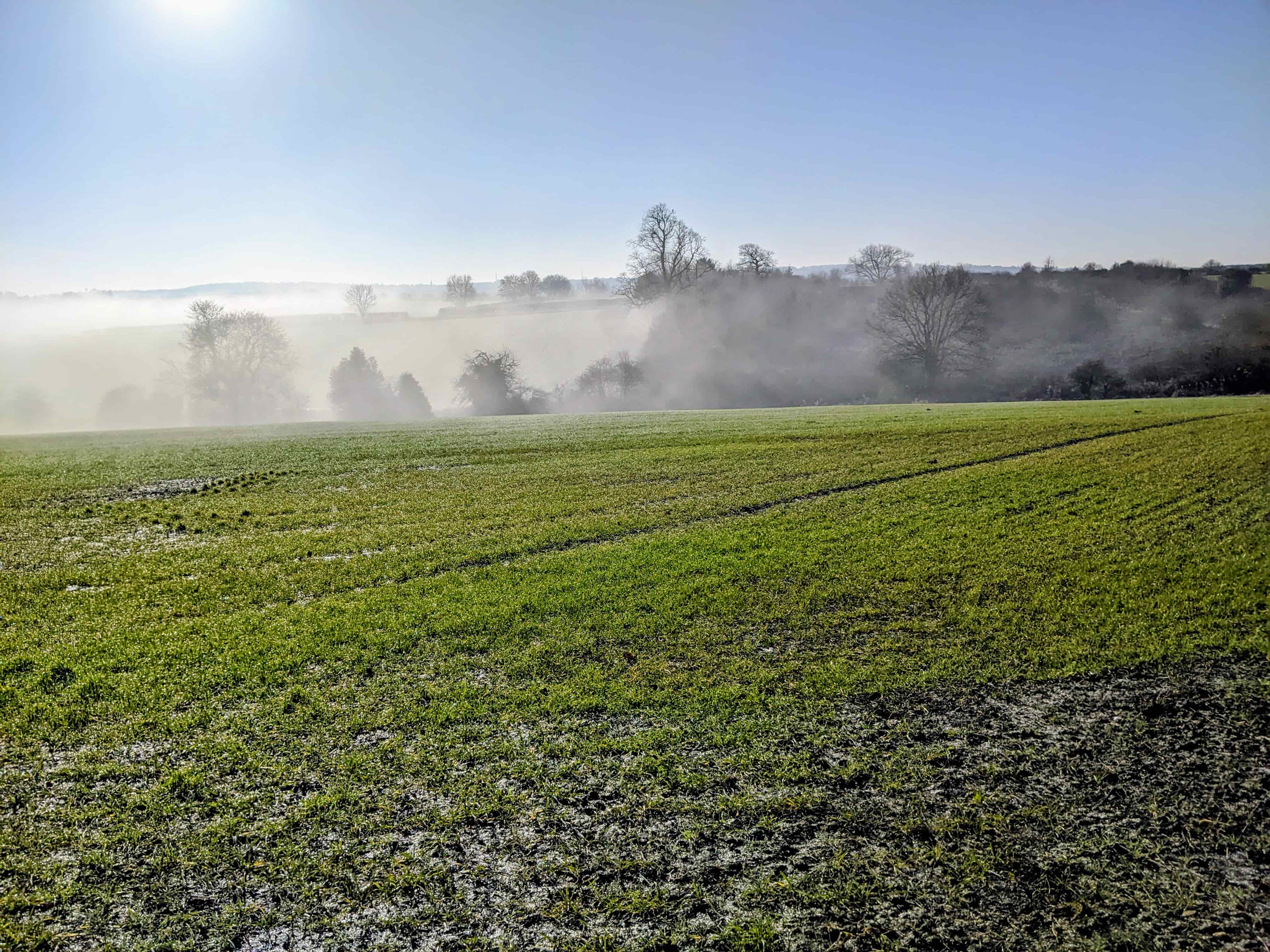
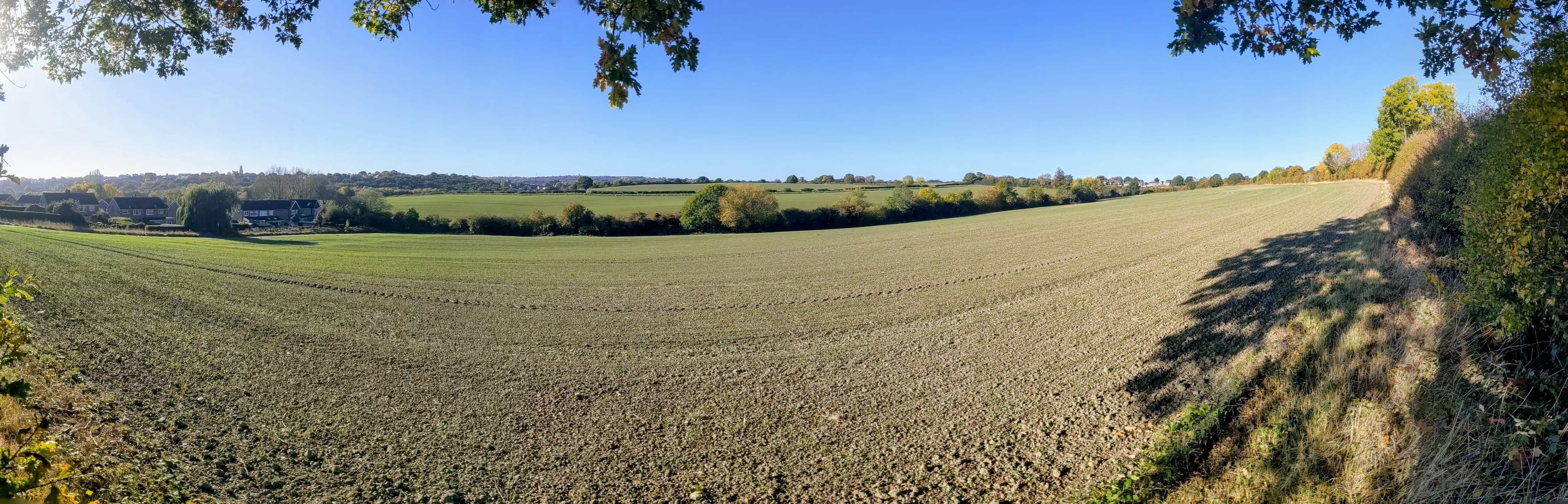
Cinderhill Green is an area of open land in Handsworth that appears under this name in historic records and maps. It is roughly where Grange Lane meets Beaver Avenue.
It has been identified as a historic meeting and gathering place, associated with early non-conformist religious activity and where the Quakers’ founder, George Fox, preached to several thousand people in 1654. It is valued for its long-standing role in the local landscape.
-
🌳 Cinderhill Quaker Burial Ground, Handsworth
The Cinderhill Quaker Burial Ground is a separate, distinct site adjacent to Cinderhill Green, historically used by the local Quaker community, including the Stayce family, who lived at Ballifield Hall. Mahlon Stayce is noted for founding Trenton in New Jersey.
A local resident has found documentary and mapping evidence showing its historic use as a Quaker burial ground, with indications the original burial area may extend beyond what is obvious today. It is recognised for its religious, social, and historic significance within Handsworth.
2. Why do they matter?
A local heritage listing is one of the few formal ways that local history, community memory, and place-value can be recognised and protected from development.
The assessment process does not rely only on professional reports. It is designed to take account of:
- 🌿 Local knowledge and long-standing awareness of a place
- 🌿 Historic names, uses, and associations
- 🌿 Photographs, old maps, documents, or family recollections
- 🌿 Evidence that a site is known, valued, or distinctive locally
Public comments help the assessment panel understand how these places are perceived and remembered by the community, not just how they appear on paper.
3. How can you help?
You can support either or both nominations by following the steps below:
-
(Optional) Review the nominations by reading the Current Candidates for Assessment (warning: large PDF)
◦ Cinderhill Green is on pages 1-6
◦ Cinderhill Quaker Burial Ground, Handsworth is on pages 7-13 -
To comment or give further information on these sites:
◦ Use the South Yorkshire Archaeological Service contact form
◦ or email them at syorks.archservice@sheffield.gov.uk.
4. When is the deadline?
The public assessment period closes on 20 February 2026.
After this date, opportunities for public input are limited.
5. If you’re unsure what to write
You don’t need to be an expert. The most helpful comments are simple: what the place is, how you know it, and why it matters locally.
You can mention any of the following (even briefly):
- ✅ How long you’ve lived nearby / how you know the place
- ✅ That you recognise the name or location
- ✅ Any memories, photos, old maps, or family stories
- ✅ Why it feels distinctive or important to Handsworth
- ✅ Why it deserves careful consideration before any future change
Copy-paste one-liners (pick one and edit)
I support the local listing of [Cinderhill Green / the Quaker Burial Ground] because it is a long-established part of Handsworth and is valued by local residents.
I have known this place for [X] years and recognise it as a distinct and important part of the local landscape.
I recognise this site by name and location and believe it should be formally recognised before any decisions are made that could change it.
Slightly longer examples (3–5 sentences)
I’ve lived in Handsworth for [X] years and have known Cinderhill Green throughout that time. It’s a familiar local place that people recognise and talk about. In my view it has clear local historic and community value and should be considered for local listing.”
I’m aware of the Quaker association with this area and that the burial ground is part of local religious and social history. Even if the details are not widely known, the site is recognised locally and deserves proper consideration and recognition.
If you have evidence, say so
I can provide [a photo / an old map / a document / a family recollection] that relates to this site.
That’s enough. A short comment is still useful.
According to Historic England, public comments like these can help confirm an asset’s suitability for local listing, and every bit of local input helps.
Whether you send a personal memory or just a quick note, your comment will aid the assessment panel in understanding the site’s local importance and ensure community voices are heard in the decision.
Don’t worry about writing a perfect essay. Just say what the place means to you and the Handsworth community.